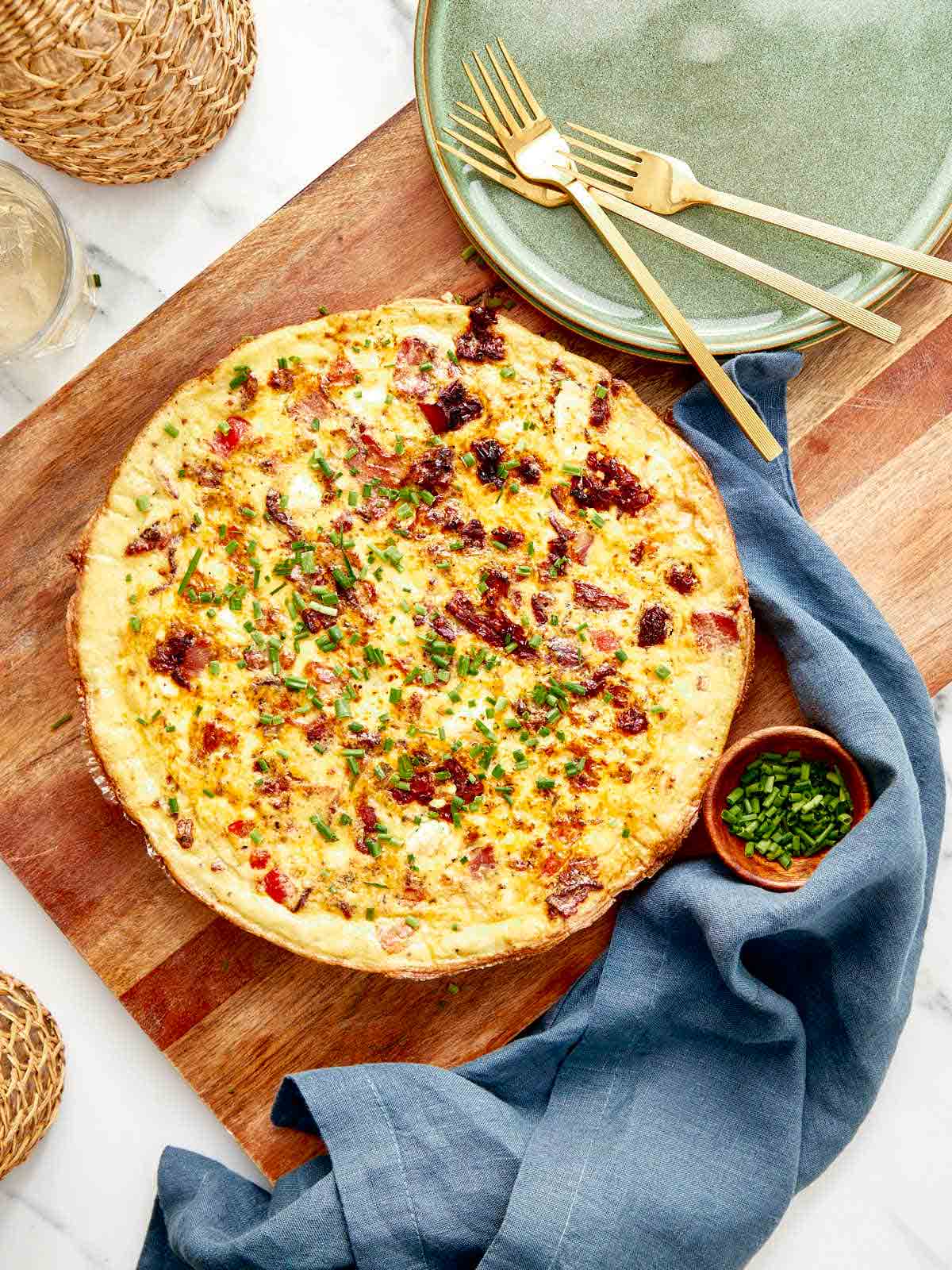
Frittata: Brunch's Favorite Show-Off & Easiest Impressive Meal
Imagine waking up to the aroma of a warm, savory dish that promises elegance without the fuss. That, my friends, is the magic of the frittata. It's the ultimate culinary chameleon – effortlessly transforming humble ingredients into a centerpiece that looks like it took hours of painstaking effort. For anyone seeking to impress guests at a weekend gathering or simply elevate a mundane weeknight dinner, the frittata is truly
brunch's favorite show-off and an incredibly easy, impressive meal to master.
Many home cooks, myself included, discover the frittata by happy accident. Perhaps it's a frantic attempt to use up an abundance of eggs and those last lingering roasted vegetables from yesterday's dinner. You mix everything, slide it into a hot pan, and then into the oven, only to pull out something far more sophisticated and satisfying than any scrambled eggs could ever hope to be. It’s this delightful surprise, this unexpected culinary triumph, that makes the frittata a firm favorite, becoming a go-to for those moments when you crave a proper meal without succumbing to hours in the kitchen.
The Magic of the Frittata: Why It's Brunch's MVP
The allure of the frittata lies in its forgiving nature and inherent versatility. Unlike its delicate cousin, the omelette, which demands precision and swift execution, the frittata encourages a more leisurely approach, allowing flavors to meld beautifully as it bakes. It’s the kind of dish that adapts to your pantry, your mood, and the seasonal bounty, making it an indispensable part of a modern kitchen repertoire.
Beyond Basic Scrambled: A Culinary Revelation
The transition from a basic scramble to a majestic frittata is nothing short of a culinary revelation. Scrambled eggs, while comforting, often feel like a fleeting breakfast item. A frittata, however, carries a certain gravitas. It holds its shape, boasts a tender, custardy interior, and proudly displays its vibrant fillings. It feels intentional, substantial, and incredibly satisfying. The first time you experience this transformation, pulling a golden, puffed frittata from the oven, you realize you’ve unlocked a new level of home cooking – one that balances ease with undeniable elegance.
A Canvas for Creativity: The Leftover Champion
What truly elevates the frittata to "easiest impressive meal" status is its unparalleled ability to embrace what you already have on hand. No sad, wilted spinach goes to waste here; no lonely roasted sweet potato meets its end in the bin. A frittata thrives on leftovers. Think about it:
- Roasted Vegetables: Carrots, bell peppers, zucchini, broccoli florets, asparagus – all find new life.
- Cooked Meats: Shredded chicken, diced ham, crumbled bacon, even leftover sausage patties.
- Cheeses: Feta, goat cheese, cheddar, Parmesan, mozzarella – a little goes a long way.
- Herbs: Parsley, chives, dill, basil – fresh or dried, they add a burst of flavor.
This adaptability not only minimizes food waste but also ensures that no two frittatas are exactly alike, allowing for endless creativity and making it a true
Versatile Frittata: Easy Meals from Leftovers to Lazy Brunch solution. Each creation feels intentional, not just "thrown together," leading to a dish that consistently looks and tastes spectacular.
Mastering the Frittata: Secrets to a Tender, Flavorful Dish
While the frittata is forgiving, there are a few simple principles that transform a good frittata into an unforgettable one. These aren't complex techniques, but rather mindful steps that guarantee a tender texture and robust flavor every time.
The Perfect Ratio: The Key to Tender Texture
The foundation of any great frittata is its texture, and this largely hinges on the delicate balance between eggs and dairy. Too many eggs, and your frittata risks becoming rubbery and dense. Too much milk or cream, and it might struggle to set properly, resulting in a wobbly, unappealing center. The sweet spot delivers a custardy, tender interior that holds its shape beautifully once cooled.
For every 8 large eggs, a quarter cup of whole milk or heavy cream (for extra richness) is generally an ideal starting point. The dairy not only adds moisture but also helps to temper the egg proteins, preventing them from tightening up too much during cooking. This careful balance ensures a fluffy, melt-in-your-mouth experience, rather than a dry, spongy one. For more in-depth advice on achieving this, check out
Fluffy Frittata Secrets: Tender Texture, No Soggy Veggies.
Prep Your Produce: No More Soggy Surprises
One of the most common pitfalls of a novice frittata maker is incorporating raw, high-moisture vegetables directly into the egg mixture. This can release excess water during baking, leading to a watery, less structured frittata. The simple solution?
Pre-cook your vegetables and meats.
Taking a few extra minutes to sauté onions until translucent, soften bell peppers, brown bacon, or roast potatoes until tender makes all the difference. This step not only cooks off excess moisture but also concentrates flavors, leading to a more delicious and structurally sound final product. Imagine the difference between raw spinach and wilted, seasoned spinach – the latter will impart flavor without making your frittata soupy. This foundational step ensures your frittata is packed with flavor and substance, not just liquid.
The Oven Finish: Hands-Off Perfection
Another secret to the frittata's "easiest impressive meal" status is its clever cooking method: starting on the stovetop and finishing in the oven. This two-step process offers the best of both worlds. Starting on the stove allows the edges of the frittata to set quickly, creating a beautiful crust and preventing sticking. Once the edges are mostly set and the center is still a bit jiggly, transferring the pan to a preheated oven allows the frittata to cook through gently and evenly without constant stirring or flipping.
This hands-off approach frees you up to attend to other brunch preparations, set the table, or simply relax. The oven's ambient heat ensures the center cooks perfectly, achieving that desirable fluffy, tender texture without the risk of overcooking the bottom or making a mess trying to flip it. It's a technique that allows for consistent results and takes the stress out of cooking, letting your frittata be the star without demanding all your attention.
Crafting Your Signature Frittata: Tips & Flavor Inspirations
The beauty of the frittata is that once you understand the core principles, you can confidently experiment with an endless array of ingredients to create your own signature dish.
Ingredient Harmony: What Works Best?
When selecting ingredients for your frittata, think about complementary flavors and textures.
- Eggs: Always use large eggs for consistency. Organic or free-range eggs often have richer yolks, contributing to a more vibrant color.
- Dairy: Whole milk, half-and-half, or heavy cream will give you the best texture. For a lighter option, you can use skim milk, but it might result in a slightly less rich frittata.
- Fat: Olive oil, butter, or even bacon fat for extra flavor, are great for sautéing your additions.
- Aromatics: Onions (yellow, red, or shallots), garlic, and leeks form a fragrant base.
- Vegetables: Aim for a mix of colors and textures. Roasted root vegetables (potatoes, sweet potatoes), sautéed greens (spinach, kale), mushrooms, bell peppers, asparagus, and cherry tomatoes are all excellent choices.
- Meats: Ham, bacon, sausage, smoked salmon, or even leftover shredded chicken add substance.
- Cheeses: Hard cheeses like Parmesan or Gruyère melt beautifully and add salty depth. Creamy cheeses like goat cheese or feta add a tangy counterpoint. Soft cheeses like mozzarella or ricotta can make it extra decadent.
- Herbs & Spices: Fresh dill with smoked salmon, basil with tomatoes and mozzarella, thyme with mushrooms, or a pinch of red pepper flakes for a kick.
A Recipe to Get Started: Spinach and Feta Perfection
If you're wondering where to begin with your frittata journey, a classic Spinach and Feta Frittata is a fantastic starting point. It’s a testament to how simple ingredients can create something truly extraordinary, embodying the "frittata brunchs favorite show off" spirit perfectly.
Prep Time: 10 minutes
Cook Time: 20-25 minutes
Serves: 4
Ingredients:
- 8 large eggs
- 1/4 cup whole milk or heavy cream
- 1 tbsp olive oil
- 1 small yellow onion, diced (about 1/2 cup)
- 5 oz fresh spinach (about 5 cups), roughly chopped
- 1/2 cup crumbled feta cheese
- Salt and freshly ground black pepper to taste
- Optional: a pinch of nutmeg for depth
Instructions:
- Preheat oven to 350°F (175°C).
- In a medium bowl, whisk together the eggs, milk/cream, salt, pepper, and optional nutmeg until well combined and slightly frothy.
- Heat olive oil in a 10-inch oven-safe, non-stick skillet (cast iron works beautifully) over medium heat.
- Add diced onion and cook until softened, about 3-5 minutes.
- Add the chopped spinach to the skillet and cook, stirring occasionally, until it has completely wilted and most of its liquid has evaporated, about 3-4 minutes. Season lightly with salt and pepper.
- Spread the spinach and onion mixture evenly across the bottom of the skillet. Sprinkle half of the feta cheese over the vegetables.
- Pour the egg mixture over the vegetables and feta in the skillet. Gently swirl the pan to ensure even distribution. Sprinkle the remaining feta cheese on top.
- Cook on the stovetop for about 5-7 minutes, until the edges begin to set and pull away slightly from the pan, and the center is still quite wet.
- Transfer the skillet to the preheated oven and bake for 12-15 minutes, or until the frittata is puffed, golden brown, and set in the center (a knife inserted into the center should come out clean).
- Remove from oven and let rest for 5 minutes before slicing and serving.
More Than Just Brunch: When to Serve Your Frittata
While it undoubtedly shines as
brunch's favorite show-off, the frittata's versatility extends far beyond lazy weekend mornings. It makes an excellent light lunch, a satisfying picnic item, or even a quick and elegant weeknight dinner when served with a simple green salad and some crusty bread. I've often made it for friends who claim "not to like eggs," only to watch the pan empty within minutes. Its hearty yet never heavy nature makes it suitable for almost any meal, proving its ultimate "easiest impressive meal" credentials.
Conclusion
The frittata is more than just a dish; it's a testament to the idea that some of the most impressive meals are also the simplest to create. It’s forgiving, adaptable, and consistently delicious, making it the ideal choice for anyone looking to add a touch of effortless elegance to their table. By understanding a few core principles – the right egg-to-dairy ratio, pre-cooking your ingredients, and leveraging the power of the oven – you can transform everyday staples into a truly spectacular meal. So, next time you're looking for that perfect blend of ease and impressiveness, remember the frittata. It's ready to be your kitchen's unsung hero, constantly proving why it's
brittata brunchs favorite show off.