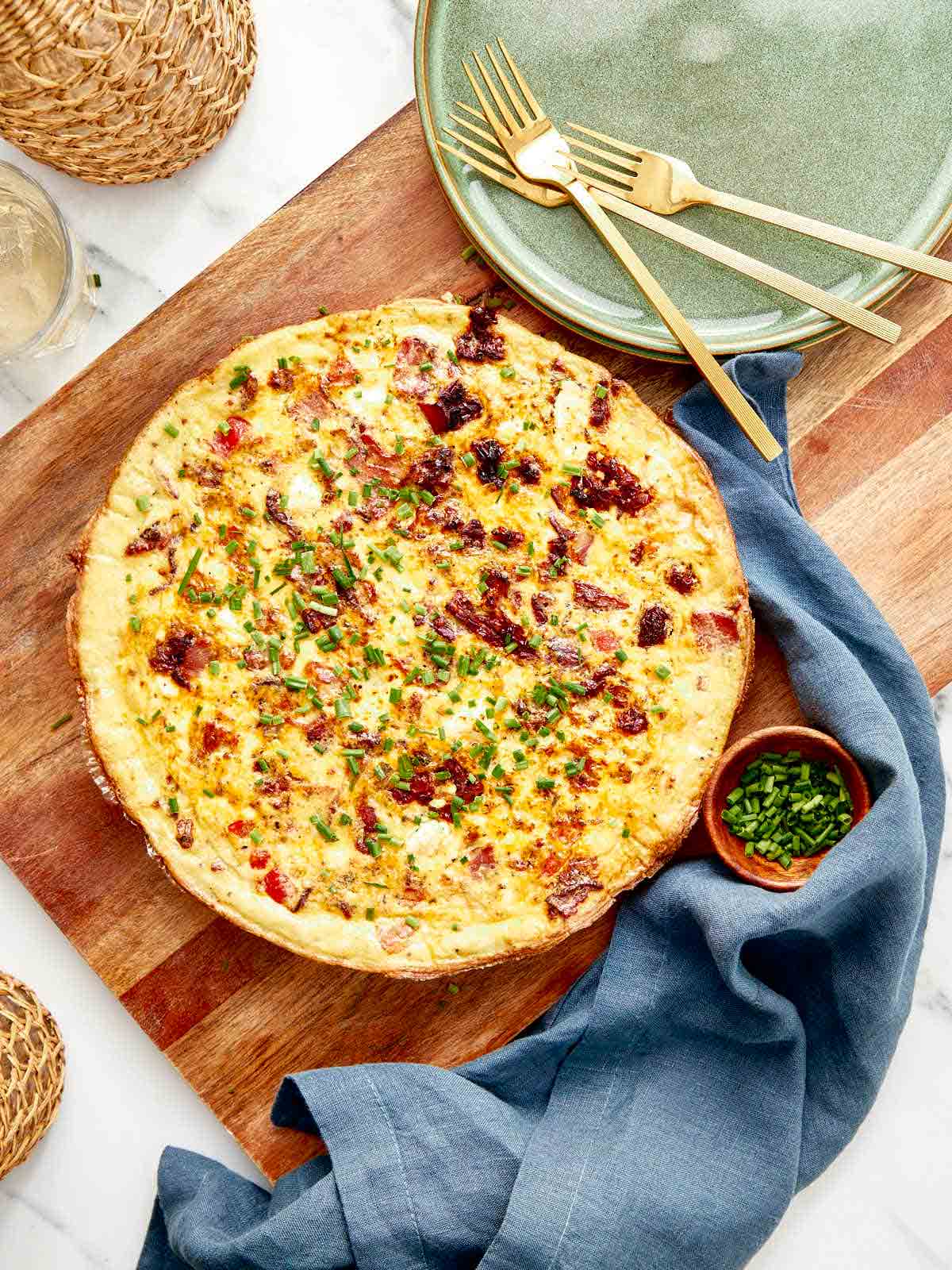
Fluffy Frittata Secrets: Tender Texture, No Soggy Veggies
Imagine a dish that effortlessly marries elegance with simplicity, a culinary chameleon that transforms yesterday's leftovers into today's show-stopping meal. That, dear food lovers, is the magic of the frittata. Often hailed as
Brunch's Favorite Show-Off & Easiest Impressive Meal, a perfectly executed frittata boasts a tender, custardy texture and vibrant, perfectly cooked fillings – a far cry from rubbery eggs or watery vegetables. It’s a dish that looks sophisticated but demands surprisingly little fuss, making it a go-to for busy weeknights, leisurely brunches, or even an impromptu dinner party.
Many home cooks discover the frittata almost by accident, much like realizing the potential of leftover roasted vegetables mixed with eggs. What starts as a simple way to use up ingredients quickly evolves into a cherished recipe. The beauty lies in its forgiveness and adaptability. While it may seem intimidating to achieve that elusive tender texture and ensure no soggy veggies spoil the party, the secrets are surprisingly straightforward. With a few key techniques, you too can master the art of the fluffy frittata, elevating it from a humble egg dish to a true culinary triumph.
The Allure of the Frittata: Brunch's Unsung Hero
What makes the frittata so universally adored? It's more than just its appealing aesthetic; it's the sheer practicality and versatility that set it apart. Unlike an omelette, which requires constant attention and a swift wrist, a frittata is designed for a more relaxed approach. Everything cooks together, slowly building layers of flavor without the need for constant hovering. This makes it an ideal candidate for those lazy weekend mornings where the scent of eggs and herbs gently fills your kitchen, promising a satisfying start to the day.
The frittata truly shines as
brunch's favorite show-off because it looks impressive with minimal effort. It emerges from the oven golden brown, often dotted with colorful ingredients and a beautiful puff, ready to be sliced and served directly from the pan. Beyond its good looks, it's also incredibly adaptable to whatever you have on hand. Leftover roasted sweet potatoes, a handful of wilted spinach, last night's ham, or even just a lonely bell pepper – almost any ingredient can find a happy home within a frittata. This makes it a champion for reducing food waste and inspiring creative cooking, turning what might have been discarded into something truly delicious and intentional.
Unlocking Tender Texture: The Egg & Dairy Balance
Achieving that coveted
tender texture in your frittata is perhaps the most crucial secret to its success, and it all boils down to the delicate balance between eggs and dairy. Too much egg, and your frittata risks becoming dense and rubbery – a texture nobody desires. Conversely, an excess of milk or cream can prevent the frittata from setting properly, leaving you with a wiggly, unset center. The goal is a custardy, soft interior that still holds its shape beautifully.
Here’s how to nail it:
*
The Golden Ratio: A good starting point is approximately 1 to 2 tablespoons of whole milk, half-and-half, or heavy cream for every two large eggs. For a frittata using 8 large eggs, about 1/4 cup of dairy is often the sweet spot. Whole milk offers a lighter richness, while heavy cream provides a more decadent, custardy result. Experiment to find your personal preference.
*
Why Dairy Matters: Dairy contains fat and protein, which interferes with the rapid coagulation of egg proteins, making the final product softer and less prone to rubberiness. It also adds moisture and enriches the flavor.
*
Whisking Wisdom: Whisk your eggs and dairy mixture thoroughly but gently. You want it well combined and slightly aerated, but avoid over-whisking, which can incorporate too much air and lead to a more "puffy" but less custardy texture. A good whisk until just combined and slightly frothy is perfect.
*
Seasoning: Don't forget salt and pepper! Properly seasoned eggs are key to overall flavor. Consider a pinch of nutmeg for an added layer of warmth.
The ultimate test for doneness is visual and tactile: the edges should be set and lightly golden, and the center should be just barely jiggly when gently shaken. This indicates a perfectly cooked, tender frittata.
The Secret to No Soggy Veggies: Pre-Cooking is Key
One of the biggest culprits behind a disappointing, watery frittata is the moisture released by raw vegetables during cooking. Imagine biting into a frittata only to find pools of liquid or crunchy, undercooked vegetables. Not ideal! The definitive secret to ensuring
no soggy veggies and a beautifully structured frittata is to pre-cook your fillings. This step, though it adds a few minutes, makes an immense difference in flavor, texture, and the overall success of your dish.
Here's why and how:
*
Moisture Management: Most vegetables, especially those with high water content like mushrooms, spinach, zucchini, and peppers, release a significant amount of liquid when heated. Cooking them first allows this moisture to evaporate *before* they are mixed with the eggs. This prevents your frittata from becoming a watery mess.
*
Flavor Development: Pre-cooking isn't just about drying out vegetables; it's also about building layers of flavor. Sautéing onions until translucent, browning bacon until crispy, or softening peppers intensifies their taste and adds a depth that raw ingredients simply cannot provide. This is especially true for
The Versatile Frittata: Easy Meals From Leftovers to Lazy Brunch, where pre-cooked leftover roasted vegetables infuse even more flavor.
*
Texture Control: Pre-cooking ensures that your vegetables are tender-crisp, not raw and hard, or mushy and overcooked, by the time the eggs are set. Leafy greens like spinach should be wilted down, cruciferous vegetables like broccoli or cauliflower florets should be slightly tender, and starchy vegetables like potatoes or sweet potatoes should be fully cooked.
*
Browning for Depth: Don't underestimate the power of a good sear! Browning meats like bacon or sausage, or even just sautéing onions until they start to caramelize, creates rich, savory notes that elevate the entire dish.
Always make sure your cooked fillings are drained of any excess liquid before adding them to the egg mixture. This simple step will guarantee a frittata that is consistently firm, flavorful, and free from any unwanted sogginess.
The Oven's Magic Touch: Even Cooking, Effortless Finish
While some egg dishes demand constant vigilance over the stovetop, the frittata truly shines when it makes its grand entrance into the oven. The "stove-to-oven" method is a game-changer, ensuring
even cooking without constant stirring and delivering that beautiful golden-brown finish we all associate with a perfectly baked frittata. It's the ultimate hands-off technique that allows you to step away and let the oven do the heavy lifting.
*
Initial Stovetop Sauté: Begin by sautéing your chosen vegetables and meats (as discussed, to avoid sogginess) in an oven-safe, non-stick pan, preferably cast iron or a heavy-bottomed skillet. A 10-inch skillet is ideal for a frittata serving 4-6 people. This step develops flavor and ensures the fillings are properly cooked.
*
The Egg Introduction: Once your fillings are ready, pour the whisked egg and dairy mixture over them in the pan. Distribute the fillings evenly.
*
Partial Stovetop Set: Cook on the stovetop over medium-low heat for just a few minutes, usually 3-5, until the edges of the frittata begin to set and pull away from the sides of the pan. The center will still be liquid, but this initial gentle heat sets the foundation.
*
Oven Finish: Transfer the pan to a preheated oven (typically 350-375°F or 175-190°C). The radiant heat of the oven cooks the frittata gently and evenly from all sides, preventing the bottom from overcooking while the top sets. This also helps achieve that desirable puffed texture and a beautiful golden crust.
*
Visual Cues for Doneness: Bake for 15-25 minutes, depending on the thickness of your frittata and your oven. The frittata is ready when the center is set (no longer jiggly), and the top is lightly golden. A knife inserted near the center should come out clean.
*
Resting Period: Once out of the oven, let the frittata rest in the pan for 5-10 minutes before slicing. This allows it to firm up slightly and makes for cleaner cuts.
This oven-finishing technique not only guarantees a perfectly cooked frittata but also frees you up to prepare other elements of your meal, making it an incredibly efficient way to cook an impressive dish.
Crafting Your Signature Frittata: Beyond the Basics
The beauty of a frittata lies in its adaptability. Once you master the core techniques for tender texture and no soggy veggies, the world of flavor combinations is your oyster. Think of it as a canvas for your culinary creativity, allowing you to craft a signature frittata that reflects your tastes or whatever fresh ingredients you have on hand.
Here’s a simple formula to inspire your next creation:
*
The Foundation: 1 tbsp olive oil or butter in an oven-safe skillet.
*
Aromatics: 1/2 cup diced yellow onion or shallots, 2 cloves minced garlic. Sauté until fragrant.
*
Fillings (1-2 cups total): This is where the magic happens!
*
Vegetables: Wilted spinach, sautéed mushrooms, roasted peppers, blanched asparagus, diced zucchini, sweet potatoes (pre-cooked and cubed), cherry tomatoes (halved and added towards the end of stovetop cooking).
*
Proteins: Crispy bacon bits, cooked sausage, diced ham, smoked salmon, shredded chicken, or even chickpeas for a vegetarian option.
*
Cheese (1/2 cup shredded/crumbled): Gruyère, cheddar, feta, goat cheese, Parmesan, mozzarella. Choose one that complements your fillings.
*
Herbs (1-2 tbsp fresh, chopped): Parsley, chives, dill, basil, thyme, rosemary. Fresh herbs brightens the flavor considerably.
*
The Egg Base: 8 large eggs, 1/4 cup whole milk or cream, salt, and pepper. Whisk well.
Practical Tips & Troubleshooting:
*
Prevent Sticking: Ensure your pan is well-seasoned or generously oiled, especially if using a cast iron skillet. A good non-stick pan also works wonders.
*
Don't Overcook: The enemy of a tender frittata is overcooking. Pull it from the oven when it's just set. The residual heat will continue to cook it slightly. If it's rubbery, it was likely cooked too long or at too high a heat.
*
Cooling: Allow the frittata to cool slightly in the pan before attempting to remove it or slice it. This helps it firm up and prevents crumbling.
*
Serving Suggestions: A frittata is fantastic on its own, but also pairs beautifully with a simple green salad, a slice of crusty bread, or a dollop of crème fraîche or Greek yogurt on top.
With these insights, you can move beyond basic recipes and confidently create a frittata that is not only visually stunning but also bursting with flavor and boasts that perfect, irresistible texture every time.
In conclusion, the frittata is truly
Brunch's Favorite Show-Off & Easiest Impressive Meal, a testament to how simple ingredients, combined with intelligent techniques, can yield extraordinary results. By mastering the delicate balance of eggs and dairy for a
tender texture, conscientiously pre-cooking your fillings to guarantee
no soggy veggies, and leveraging the oven's consistent heat for an effortless finish, you unlock the full potential of this versatile dish. It's a culinary journey from potentially rubbery eggs and watery ingredients to a glorious, fluffy creation that’s as delightful to eat as it is impressive to serve. So, next time you're contemplating a meal that feels both comforting and elegant, remember the secrets of the frittata and let your creativity take the lead. Happy cooking!